

Strategic planning is the backbone of any successful business. It is even more critical for small and medium-sized enterprises (SMEs), as these businesses often operate with limited resources in a highly competitive environment. SMEs are the unsung heroes who drive innovation, create jobs, and boost economies. However, despite their potential, poor strategic planning remains a major challenge for many SMEs, leading to missed opportunities, inefficient operations, and stunted growth.
Let us explore why strategic planning is essential, the consequences of inadequate planning, and how SMEs can overcome this challenge.
The Importance of Strategic Planning
Strategic planning is the process of defining an organization’s direction and making decisions on allocating resources to pursue this direction. For SMEs, strategic planning is not just a luxury but a necessity. It outlines the business’s vision, sets measurable objectives, and identifies the resources and actions needed to reach them. A well-thought-out strategic plan enables SMEs to:
- Allocate resources efficiently.
- Adapt to changes in the market.
- Identify and mitigate risks.
- Focus on long-term growth rather than short-term fixes.
Without a strategic plan, businesses operate reactively, struggling to keep up with challenges and competitors.
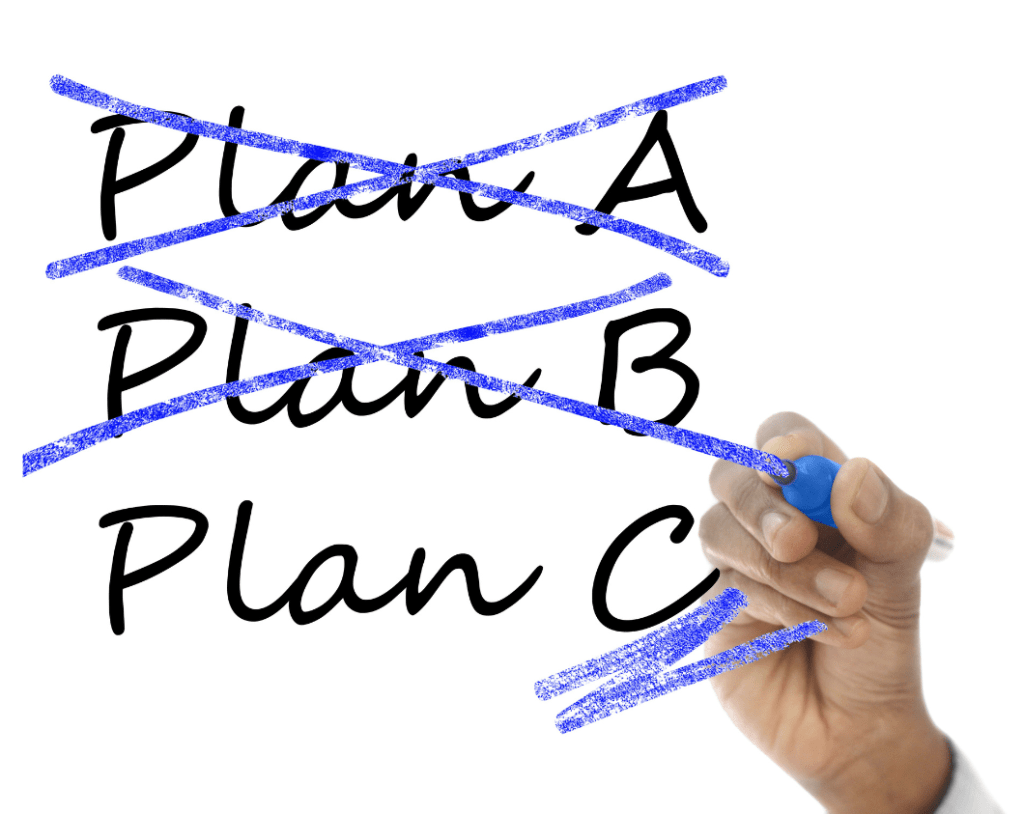
The Consequences of Poor Strategic Planning
When SMEs lack a well-defined strategy, they are like a car navigating a road without a map. Here are five critical consequences of poor strategic planning:
- Lack of Direction
Without a clear vision and objectives, SMEs often lack focus, making it difficult to align daily operations with long-term goals. This can lead to wasted resources and efforts on activities that do not contribute to growth. - Missed Opportunities
Poor planning can result in missed opportunities for growth and expansion. Businesses may fail to identify market trends, customer needs, or emerging opportunities, leaving them lagging behind competitors who are more proactive. - Inefficient Resource Allocation
Limited resources such as financial, human, and technological assets are a reality for most SMEs. Poor strategic planning results in inefficient allocation of these resources, leading to operational inefficiencies and wasted time, ultimately increasing costs and lowering returns. - Inability to Adapt to Change
A lack of strategic foresight leaves SMEs ill-prepared to handle market fluctuations, economic challenges, or unexpected disruptions. This makes it difficult to remain competitive and resilient. - Low Employee Morale
Employees thrive in environments where goals are clear, and everyone is working towards a common purpose. Poor planning creates confusion and frustration, which can impact employee engagement and productivity and lead to high turnover rates.
How SMEs Can Address These Challenges
Despite these challenges, SMEs can overcome poor strategic planning by adopting the following practices:
- Define a Clear Vision and Mission
Start by outlining what your business stands for and where you want to go. A clear vision and mission provide direction and motivation for both leadership and employees. - Set SMART Goals
Develop Specific, Measurable, Achievable, Relevant, and Time-bound goals. These provide a framework for tracking progress and ensuring accountability. - Involve Key Stakeholders
Engage employees, customers, and partners in the planning process. Their insights can help identify potential risks, opportunities, and areas for improvement. - Monitor and Adjust the Plan
A strategic plan is not a static document. Regularly review and update it to reflect changes in the business environment, performance metrics, and priorities. - Seek Professional Guidance
Partnering with consultants like S2 Consulting can provide fresh perspectives and expertise to help SMEs craft actionable and effective strategic plans. Professionals can guide businesses through the complexities of planning, execution, and monitoring.
Real-World Example
During an economic downturn, a small retailer faced significant challenges as foot traffic dwindled. Leveraging strategic planning, the business quickly adapted by shifting its focus to e-commerce. This pivot allowed them to continue reaching their customers despite reduced in-store activity.
By revamping digital marketing efforts and introducing online promotions tailored to their audience’s needs, the retailer not only weathered the storm but also laid the groundwork for sustainable growth. This adaptability proved invaluable, transforming a difficult period into an opportunity for innovation and long-term success.

Looking Ahead
Poor strategic planning is a significant challenge that can hold SMEs back from achieving their potential. However, with a proactive approach, clear goals, and the right support, small businesses can overcome this hurdle and build a solid foundation for success.
At S2 Consulting, we specialize in helping SMEs develop and implement strategic plans that drive growth and resilience. Contact us today to learn how we can help your business navigate challenges and seize opportunities for a brighter future.
A well-charted course today can prevent a shipwreck tomorrow—let us help you set that course!
 S2 Consulting